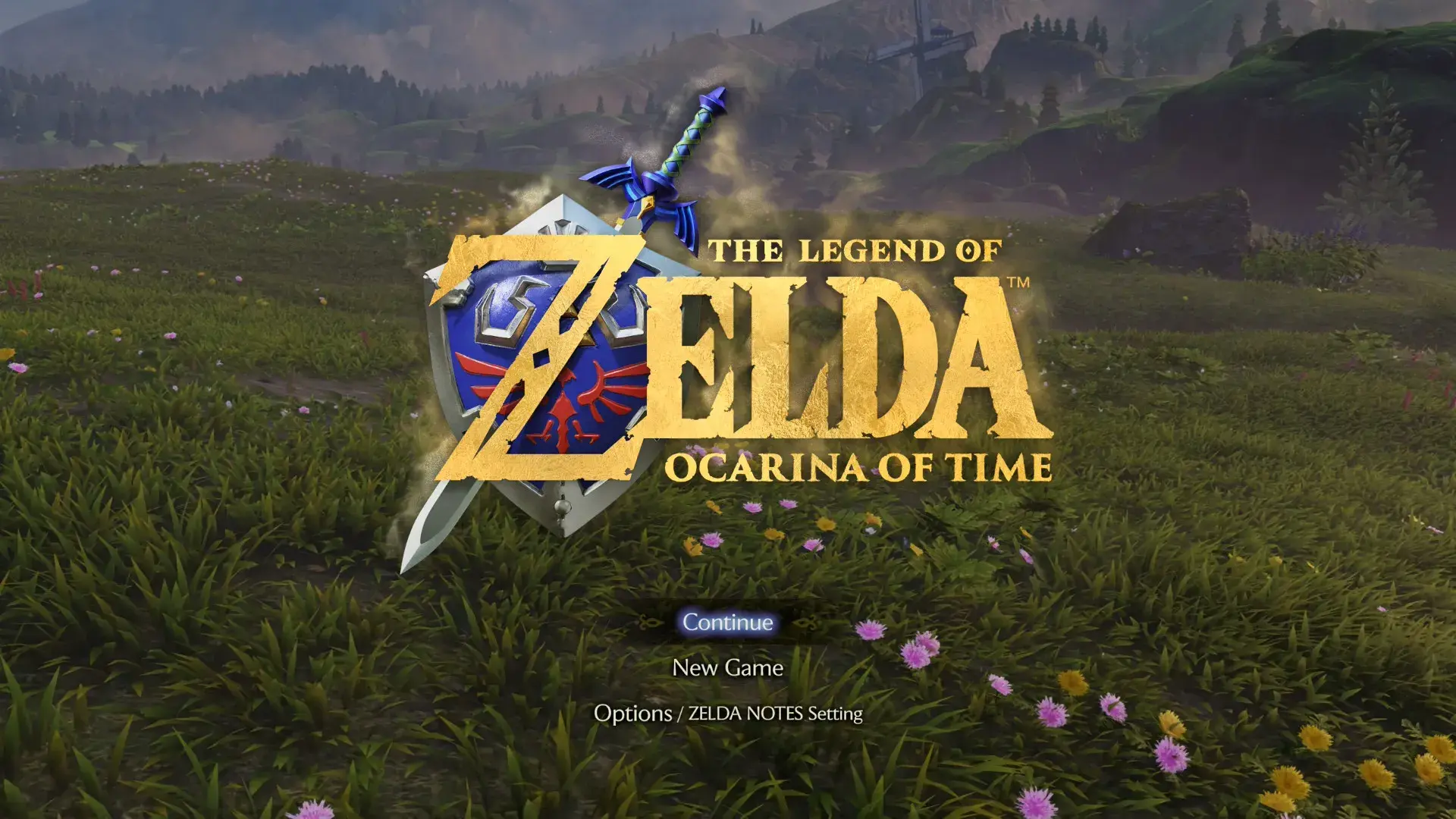
Nearly Thirty Years Later
The Legend of Zelda: Ocarina of Time will always be an endless masterpiece. It's been nearly 30 years since I played the original Nintendo 64 classic, and around 15 years since I last played the 3DS update, which I remember fondly because I played it on the train on my commute from Derby to Matlock.
When it comes to this remake on the Nintendo Switch 2, it takes what the original was and turns it up several notches, all the way to an 11. It's breathtakingly beautiful, and I'm so pleased Nintendo decided to remake it, because it shows me what a Legend of Zelda game should be.
I like Breath of the Wild and Tears of the Kingdom, but for me they lacked what I've always loved about Zelda. The fantasy. The wonderfully themed dungeons. The emotional heart of the characters you meet along your journey. And not having to compete against other open world games, just focusing on telling a beautiful story. I'll admit my favourite Zelda game is Twilight Princess, and those are exactly the reasons why. But what a fantastic game to start the Switch 2 Zelda era with.
When I turned it on for the first time I was overjoyed. Memories, nostalgia and pure fantasy all came rushing back. Nintendo did a great job remaking Star Fox earlier this year (you can read my Star Fox Switch 2 review), but they've clearly invested a lot into this one.
Visually Stunning
Let's start by saying this is the most beautiful game Nintendo have created so far. Star Fox was stunning, but this is even more so.
They've really enriched the style and theme of Zelda, and it's lovely to come back to an art style with more realism rather than the cartoonish, cel-shaded anime look we've had recently. I'm a fan of all the Zelda art styles, but when you see Kokiri Forest for the first time it takes you back to a childhood memory of playing in the forest and imagining you're deep in some far away world.
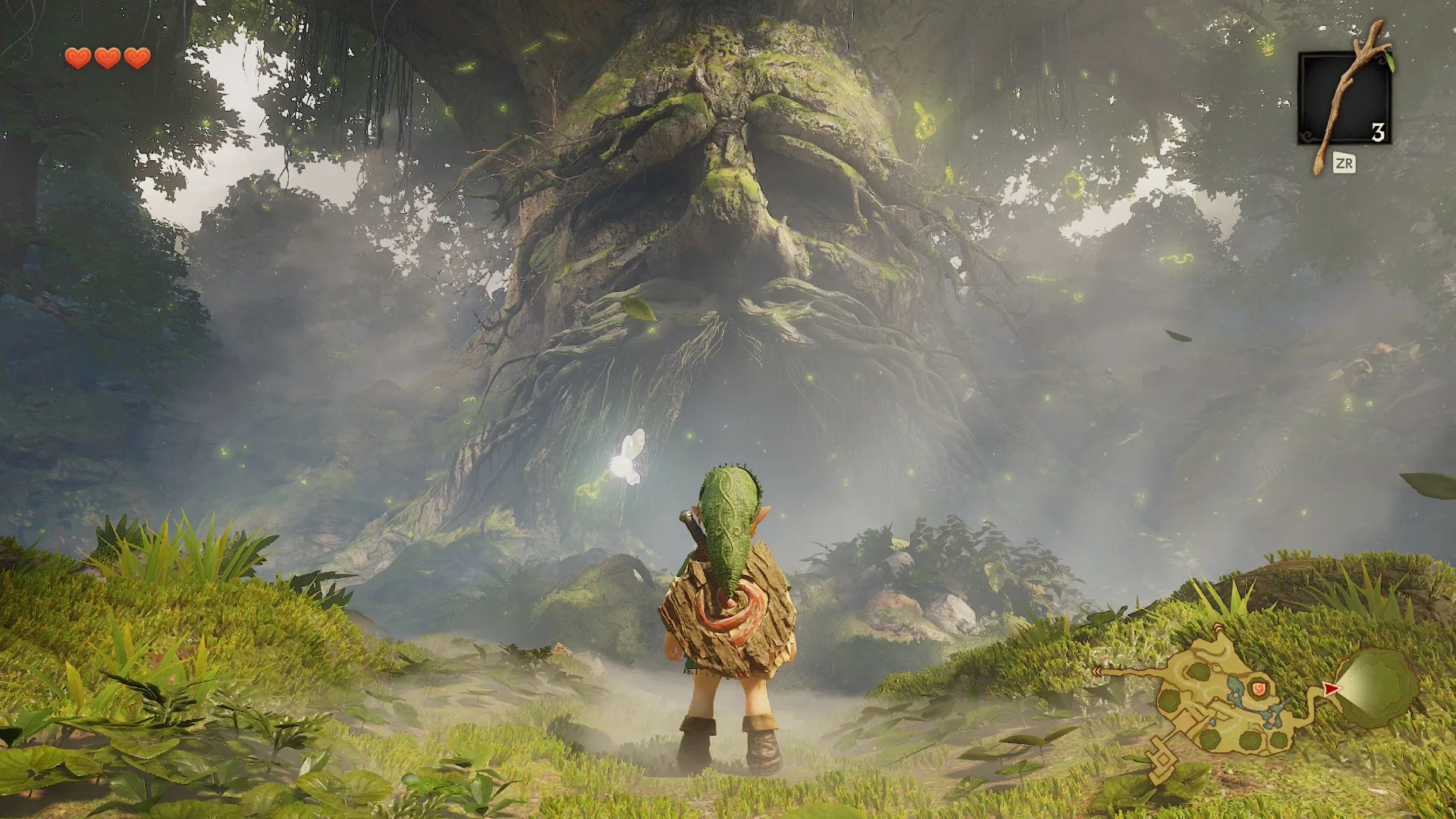
As you progress you can see the level of detail Nintendo have put into this remake. Travelling across the updated Hyrule (and yes, there are small changes here) is a great feeling, especially when you ride Epona through the landscapes. I also appreciated how much grander the game feels. The Deku Tree feels so much mightier than before, Death Mountain feels enormous and Hyrule Castle is grander than ever. The water, the snow, the desert and the forest all look beautiful. You'll spend a lot of your time just taking in the detail of each location.
Nothing disappointed me about how this game looked. It's also made me rather jealous thinking about what they could do for a Majora's Mask or Twilight Princess remake based on the visuals here.
The Story and How It's Told
The story follows the same narrative as the original, with some subtle changes. Link wakes from a nightmare and has to find the three spiritual stones and enter the Temple of Time. He then wakes seven years later to stop the evil Ganondorf, collecting the remaining six medallions from the six sages.
It might be the same story, but Nintendo have added more depth and placed further narrative on parts where there may have been questions or unknowns. One example is where Ganondorf enters the Sacred Realm. The additional cutscenes throughout the game are gorgeous, and in my opinion they improve the story and the way it's told. You feel more invested than before. The Nintendo 64 version already had an excellent story, but the remake takes it up another notch.
The Music and Sound
The music is gorgeous throughout. The orchestral direction has taken what was already a perfect soundtrack and made it even better, and I missed this style of music in the Switch games. It was nice to have it back.
The memorable themes bring back that instant nostalgia. Hyrule Field, the Castle Town theme and Lon Lon Ranch all did it for me. The Lost Woods and Saria's Song are excellent examples too. But it's the dungeon music I love the most. The deep orchestra adds more depth than before and enriches the sense of exploration a lot more. The boss battle music stood out as well, with the trombones adding a real sense of panic.
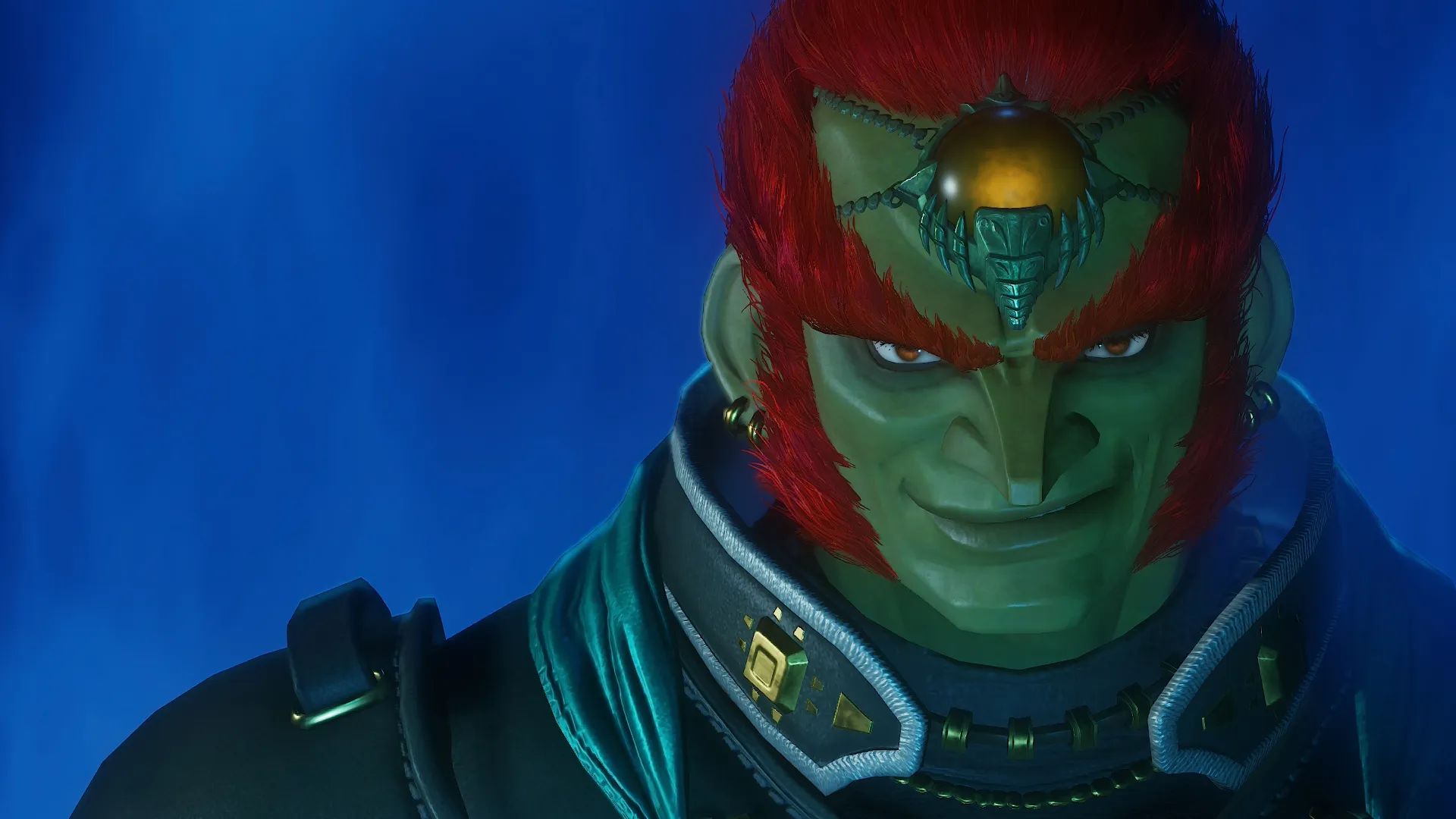
The sound and voice acting add to the cutscenes and make the game flow better than ever before. I was thrilled to hear Matt Mercer's Ganondorf back in the role. He really makes you believe the Triforce is his. Other shout outs go to Suzie Yeung as Saria, and Frank Todaro as Kaepora Gaebora and Rauru, whose voice narrates the story so well throughout the game.
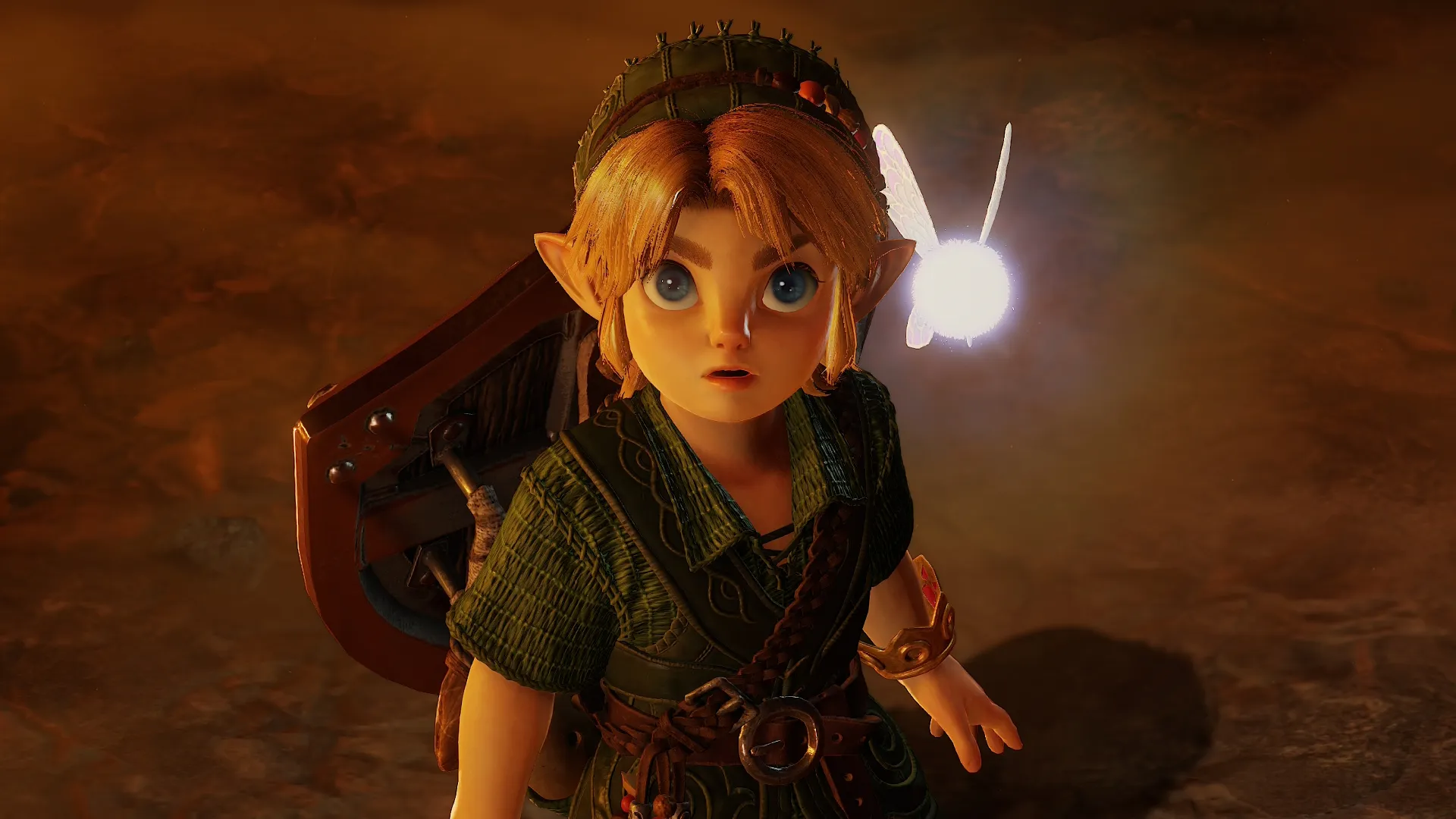
With the additional voice acting, it was lovely to still hear Link's grunts as he battled, attacked or got hurt by enemies. And Navi's "Hey! Listen!" is still memorable, although I found it less annoying than before.
Gameplay Mechanics
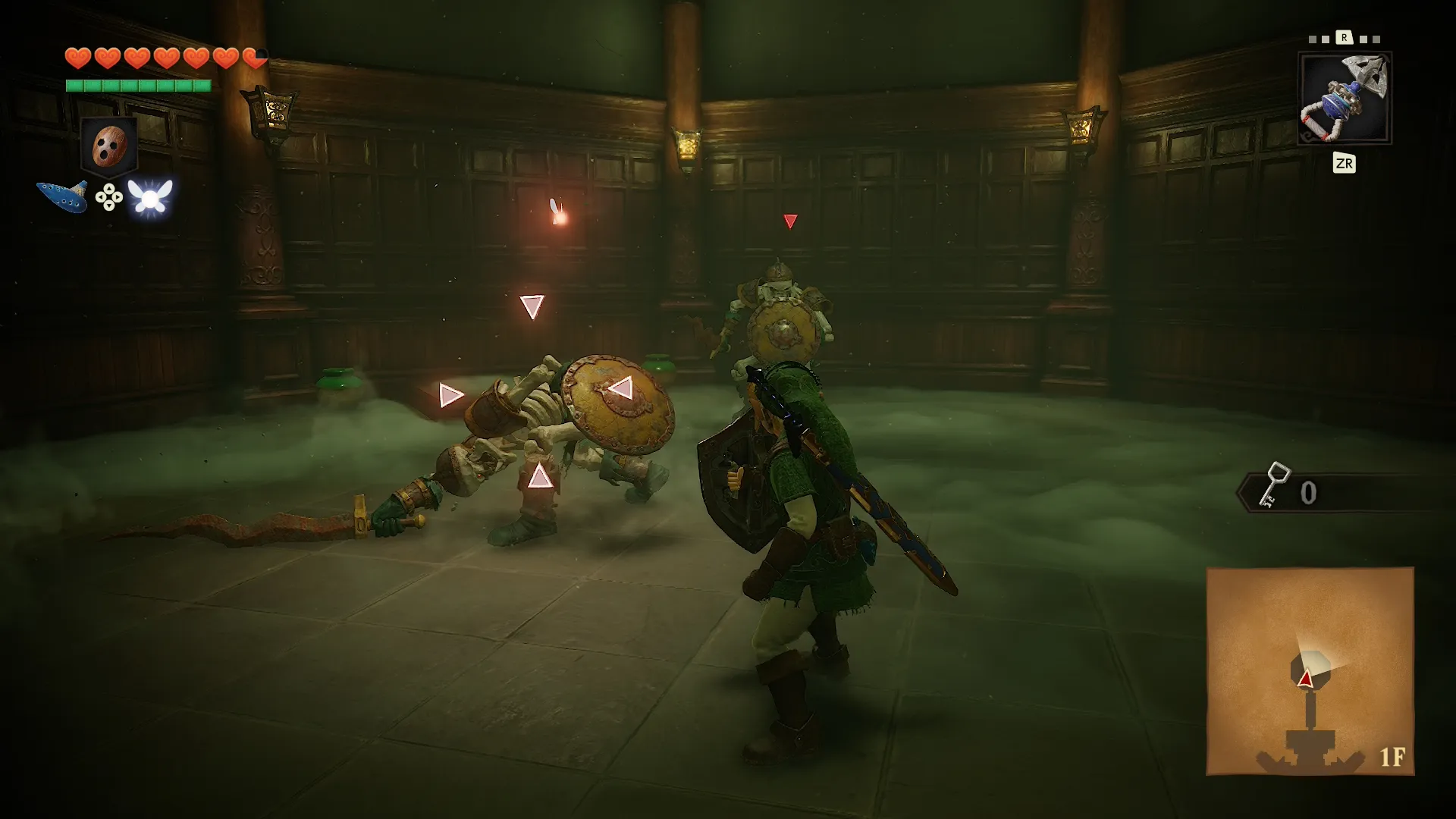
The gameplay is like before, with some improvements. There's now a dedicated jump button, and you can run whilst holding the dash button. Both are excellent additions but they do take some getting used to. I was so used to jumping automatically on the Nintendo 64 that I kept forgetting the new jump button existed. It's a nice touch, but it also forces some changes to puzzles and dungeons.
Once I'd adjusted, combat felt natural. Z-targeting did too, maybe because I've been using targeting a lot in games like GTA V. The Ocarina songs sound beautiful when played on the Ocarina of Time itself, and the controls work well with the new Switch 2 layout.
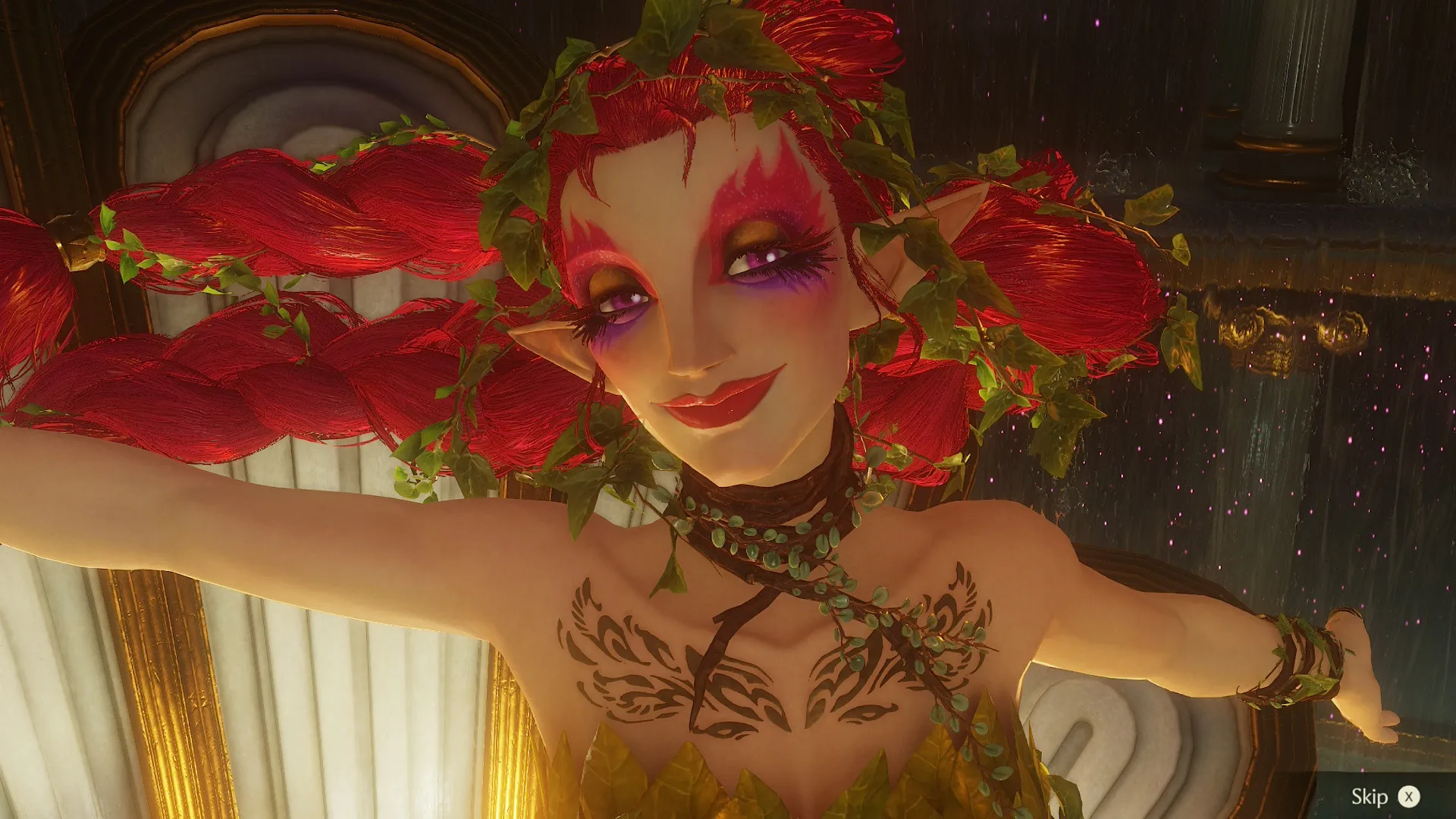
Another change is the Great Fairies. Power upgrades are no longer free, you have to pay for them. This felt like something taken from Breath of the Wild and Tears of the Kingdom, and it works well. It made me more wary of collecting rupees and encouraged me to explore a lot more to build up that cash flow. The Great Fairies and their surroundings look great as well.
Other areas have been improved too. The walkway to Zora's Domain is a lot more interesting this time round, and you have to think about where to jump and where to explore.
Themed Dungeons, Items and Time Travel
I'm so happy to see themed dungeons return, and this is exactly what I love about Zelda. Each dungeon is unique and they felt like they got progressively more difficult as the game went on. Some of them have had slight tweaks and changes too. I might have a bit of memory loss, but I'm confident they have.
Each dungeon requires you to use a unique item, which you either find in the dungeon or pick up before entering. You then use that item heavily to solve the puzzles and defeat enemies. I really enjoy this mechanic because you get to use a new item whilst knowing you need it to complete the dungeon, and long after you may use the same item to reach locations that weren't available before.
Going back and forth in time is just as brilliant. You're never done when you think you are as Child Link, because you have to go back in time to make certain conditions happen for Adult Link later in the game. It's a clever mechanic and one of my favourite things about the game.
The game will last roughly 20 to 25 hours depending on how quickly you get through the story. It can run a little longer if you explore the side quests or hunt for 100% completion.
Boss Variety
It's the same roster of bosses as before, bringing a lot of variety, with some changes to how they fight. My favourites were Barinade in Jabu-Jabu's Belly, Phantom Ganon in the Forest Temple and Bongo Bongo in the Shadow Temple. All three felt a little different to before and it was great to face bosses with such different themes.
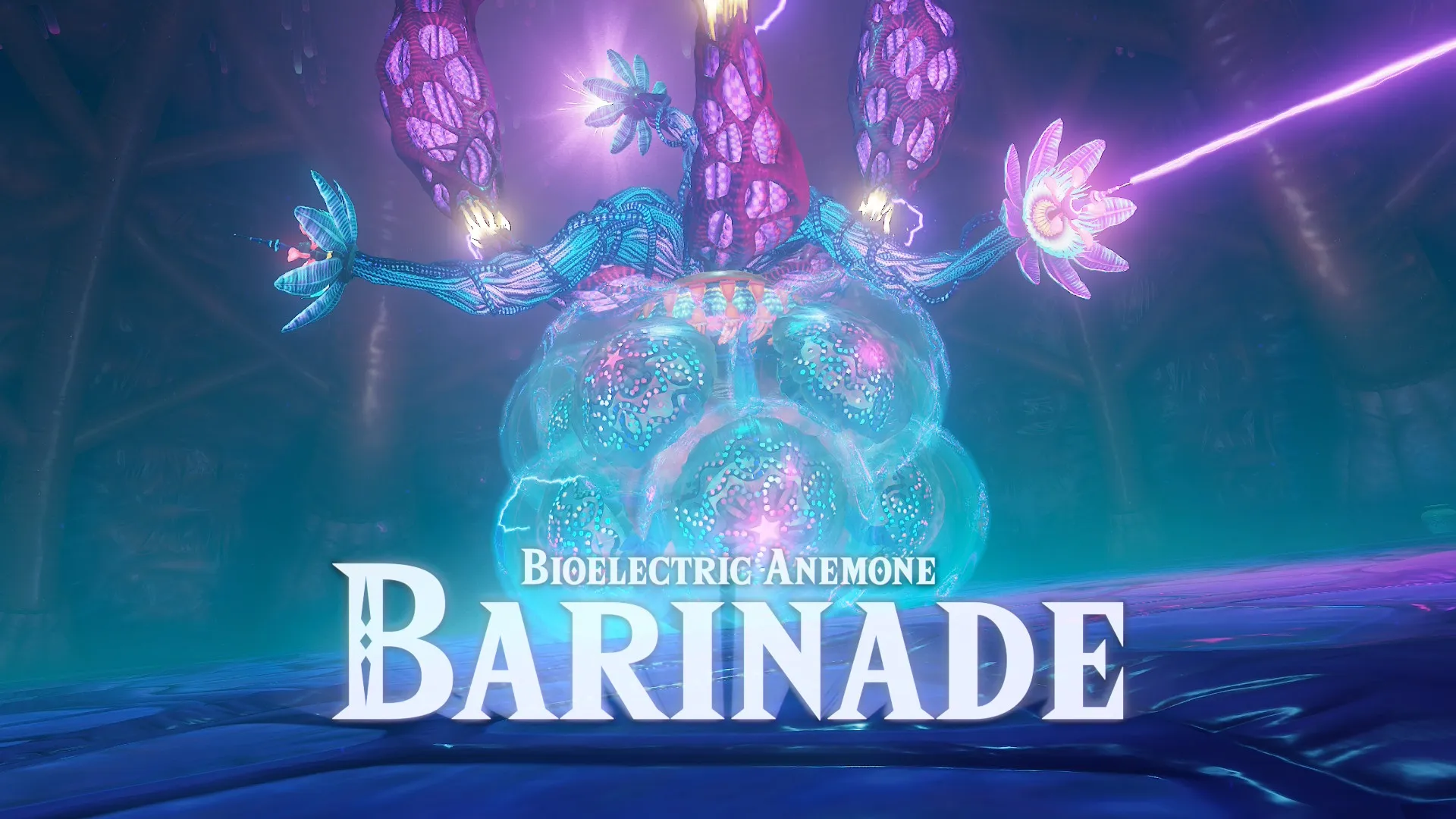
The Jabu-Jabu boss in particular felt very different to the Nintendo 64 version and a lot more challenging than I remembered. It could be me forgetting the fight, but I'm sure it's a change Nintendo made, and it was a boss I enjoyed far more this time round.
That's the thing with Ocarina of Time. There are so many different enemies and so much variety, which is what makes Zelda games special to me. Tears of the Kingdom improved enemy variety over Breath of the Wild but it still lacked depth. I was happy to see so many different enemy types here, each tied to its own theme. Some enemies are easier to kill than those in the Switch games, but it felt so much more like the Zelda I know.
Performance
No part of the game dipped or struggled. Hyrule Field and areas like Lake Hylia, where you swim in the open water, held up without a hitch. The Gerudo Desert was just as steady, sandstorms included, with all the extra effects Nintendo have added. The fog is excellent as well, and you notice it in the Forest and the Lost Woods.
It stayed consistent even in handheld mode, where it looks stunning on the Switch 2 screen. Riding Epona through Hyrule Field was breathtaking in handheld mode, day or night.
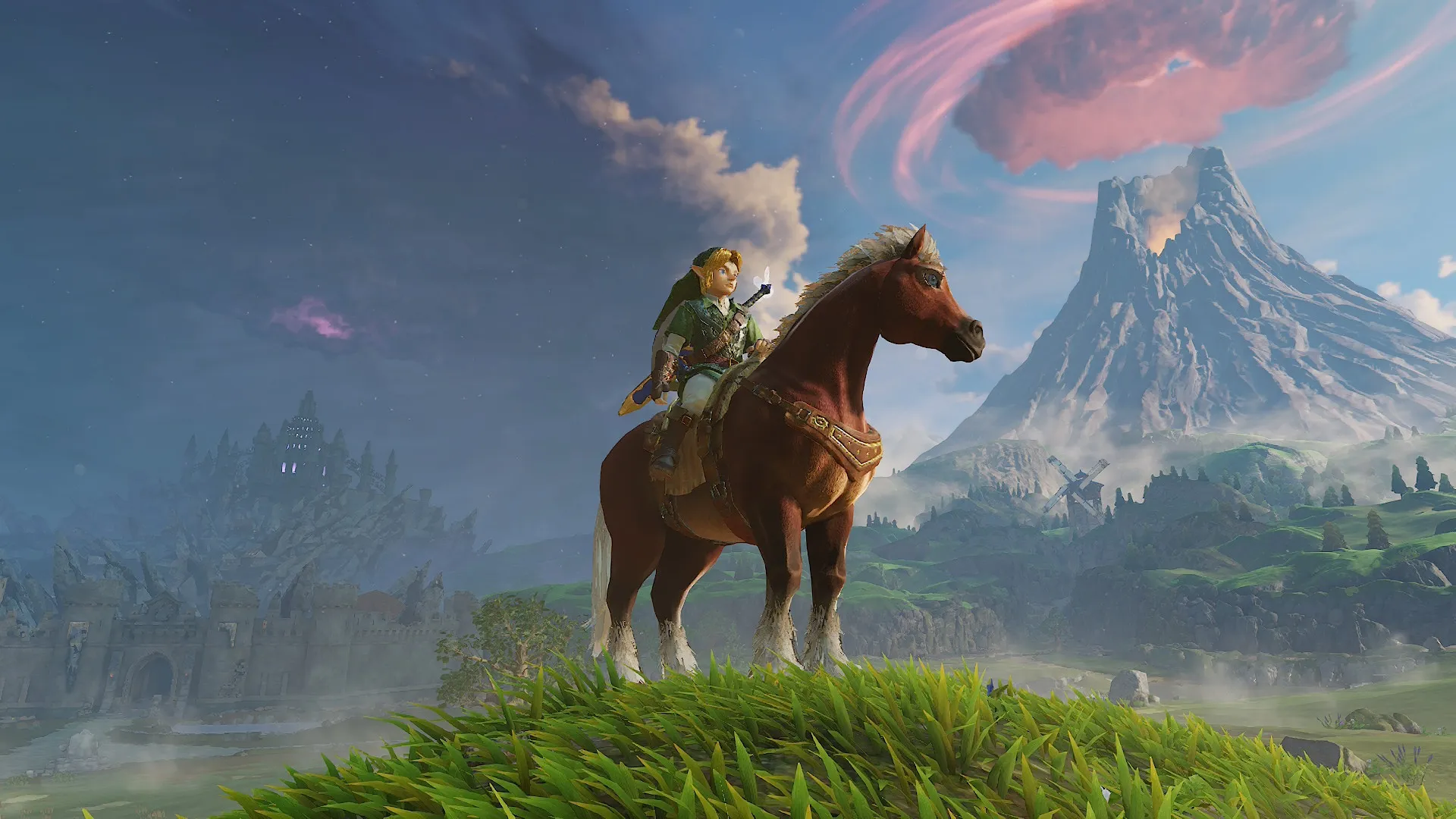
The night scenes look excellent compared to before, especially now that day and night keep changing continuously, even in towns and other areas. 60FPS is present in both handheld and docked modes. There are hardly any load times, although they've kept a few for nostalgic reasons and they work well.
I personally preferred playing it docked on a 4K TV because it looks so impressive. The visuals stand out so much and screenshots really don't do it justice.
Final Verdict
For me, this is Zelda at its core. It's what a Zelda game should be.
My one real gripe is that I wish Nintendo had added more content, or brought in unused content and ideas from the past, to make this the definitive edition. A Master Quest mode to increase the enemy difficulty would have been perfect. Some enemies and the combat around them felt easy, especially as your heart count grows through the game. But those are small things against everything it gets right: the art style, the music, the themed dungeons, the items, the bosses and the emotional heart of the story.
The first Zelda on Switch 2 being Ocarina of Time, remake or not, is the perfect start. I hope the new Zelda games look back on this and blend some of what makes these games so enjoyable, the themes, the dungeon design and the items, into the next Switch 2 adventure.
I loved this game before and I love it even more now. It was also the best game to play before GTA 6 arrives later this month.
Score: 5/5