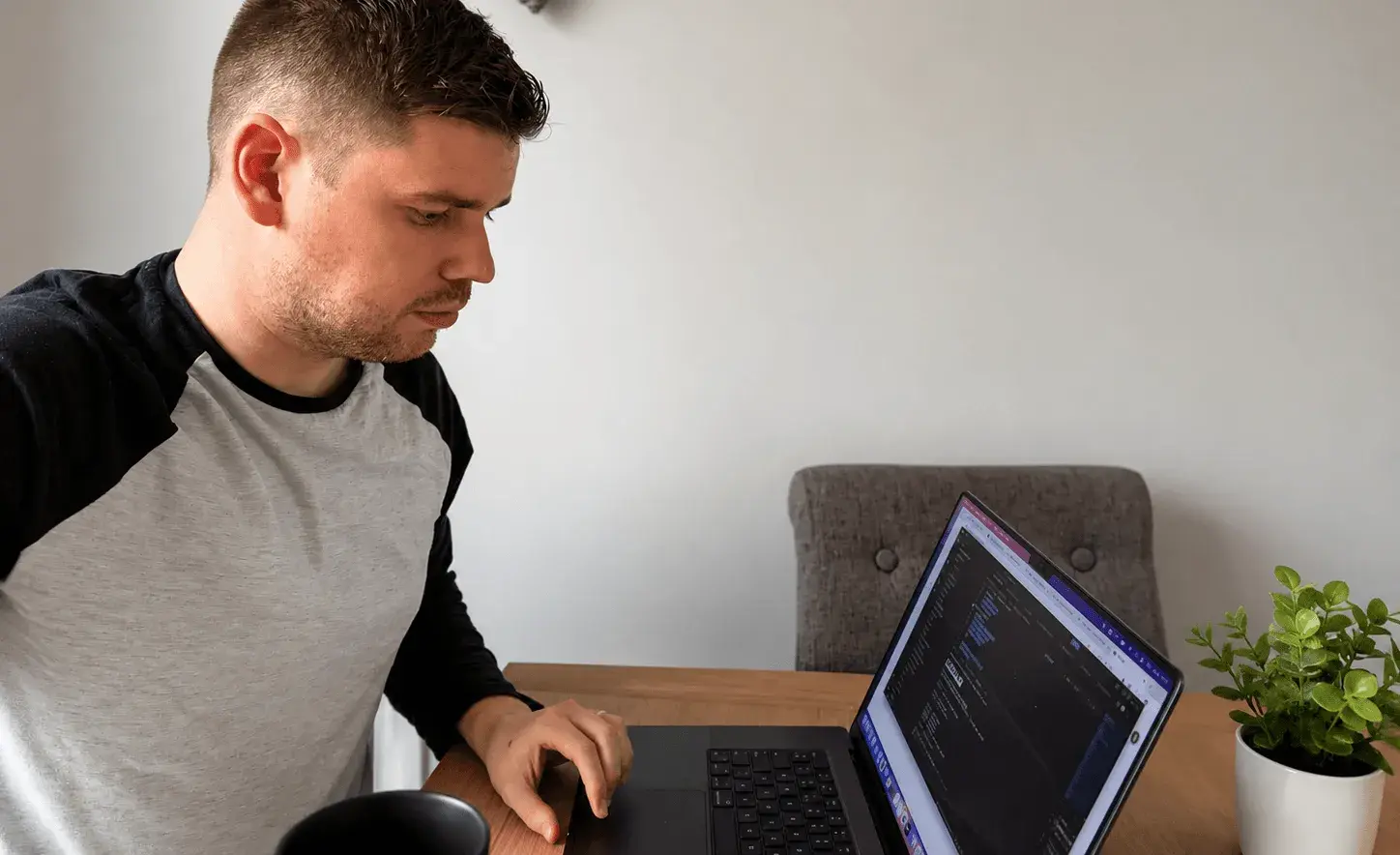
Not All Developers Are the Same
Before anything else, it's worth understanding that web development and web design is a broad field and developers and designers tend to specialise in different areas. Whether you're looking for a web developer, a web designer or someone who can do both, it's worth understanding what each brings to the table. Some are strongest on the engineering side, writing clean, robust, performant code. Some lean more towards design, with a strong eye for how things look and feel. Others focus on infrastructure, databases, servers and the systems that keep everything running behind the scenes.
What you ideally want is someone who has a working knowledge across all of these areas and can guide you in the right direction depending on what your project actually needs. A developer with that blend of skills can act as a genuine partner to your business rather than just someone who writes code and hands it over.
I've spent 15 years working in web development and web design across a wide range of industries. On the B2C side that includes retail, manufacturing, specialist goods and personalised products. On the B2B side I've worked with businesses in health, construction, transport, and local businesses ranging from wedding retailers to hair salons. That breadth of experience across different industries and different types of clients means I've seen most of the challenges a business can face from a website or app perspective, and I know how to help find the right solution.
The Importance of Communication
This one matters more than most people realise. A good developer should keep you updated throughout the entire process. You should never feel like you're chasing someone down for an update or wondering whether anything is actually happening.
My preference is always to meet in person. Sitting down with a client, going through the process together and having regular one to one sessions makes a huge difference. It gives you confidence that work is progressing, it gives you the opportunity to suggest changes or new ideas when you see something taking shape, and it means no question goes unanswered. There's no such thing as a bad question when it's your product being built. You should feel comfortable asking anything.
Being in person also gives the developer the chance to walk you through both the frontend and backend of what's been built. A good developer will show you how to use your CMS, how to make changes to your website or app, and make sure you feel confident managing it yourself before sign off. You shouldn't need to rely on them for every small update.
The sign off process itself should feel collaborative. It's your product and you should have plenty of input throughout. A good developer will make sure you are happy at every stage and will never rush you to a final sign off before you're ready.
Red Flags to Watch Out For
If something feels too good to be true, it usually is. A very cheap quote should raise questions rather than excitement. It might mean the developer lacks the experience they're claiming, or that corners will be cut somewhere along the way.
Always ask for evidence of previous work. A portfolio, references from past clients or a professional career history all give you a much clearer picture of who you're hiring and what they're capable of. A developer who can't provide any of these should be approached with caution.
A professional developer should also present you with a contract before any work begins. That contract should clearly set out the scope of work, the timeline, what will be delivered at sign off and the payment terms. A fair and professional payment structure would typically involve an initial deposit upfront, with the final payment due after the client has signed off during the UAT (User Acceptance Testing) phase. Be wary of any developer who asks for full payment upfront or alternatively offers to do everything for free initially, as both are unusual and worth questioning.
Finally, make sure the contract is clear on intellectual property. Everything produced during the project, the code, the design and all the assets, should belong to you at the end. Some agencies in particular use proprietary systems that can make it difficult or expensive to move elsewhere in the future. Always clarify this upfront.
Freelancers vs Agencies
Both have their place and neither is universally better than the other, but there are some important differences to be aware of.
Agencies can be expensive and the experience can vary enormously depending on who actually ends up working on your project. There's a real risk that your work gets handed to someone junior or that it gets rushed because it was deprioritised in favour of a bigger client. Agencies can also have a tendency to oversell, promising a lot upfront and then under delivering. That said, a well run agency with a strong track record and genuine examples of their work can be a fantastic choice. Do your research, read reviews and ask for case studies before committing.
Freelancers tend to be more affordable because their overheads are lower and you generally get a much more personal experience. You're dealing directly with the person doing the work, which makes communication easier and decisions faster. The potential downside is that a freelancer juggling multiple projects at once can start to show signs of stretched communication and slower delivery. You want someone who is genuinely available and fully focused on your project from start to finish.
Whether you go with a freelancer or an agency, always make sure post launch support is part of the conversation. You will almost certainly have questions or want changes after the site goes live, and it's important to know from the start that someone is available to help. A good developer will set clear expectations around response times. You can't expect a reply at midnight and you can't expect an instant response every time, but you should know when to expect to hear back.
Maintenance, Security and Scalability
A website isn't something you build once and forget about. Frameworks get updated, security patches need applying and things occasionally break. It's worth asking any developer you're considering whether they offer an ongoing maintenance package and what happens if something goes wrong after sign off.
It's also worth thinking about scalability from the very beginning. A good developer will build with your future growth in mind so that when your business expands, your website or app can grow with it rather than needing to be rebuilt from scratch.
If your project involves a sensitive business idea or product, it's also perfectly reasonable to ask whether the developer will sign a non disclosure agreement before you share the details. A professional developer will have no issue with this.
Questions to Ask Before You Hire
Going into a conversation with the right questions puts you in a much stronger position. Here are the ones I'd always recommend asking:
- Can you show me examples of previous work?
- Can you provide references or contact details from previous clients?
- Do you have a CV or professional profile I can look at?
- What is the expected timeline from start to finish?
- What are the phases of the development process?
- What is the total cost and how is payment structured?
- Who owns the code, design and assets at the end of the project?
- Is there ongoing support after sign off and for how long?
- Is there a retainer or support fee for continued assistance?
- What happens if something breaks after the project is complete?
- What tools do you use to manage and track the project?
- Will the website or app be built to scale as my business grows?
That last question about project management tools is worth paying attention to. A developer using something like Jira, Linear or Notion to track progress is a good sign that they are organised and take the process seriously.
Going in prepared with these questions will give you a much clearer picture of who you're dealing with before you commit to anything.
A Final Thought
Finding a developer who ticks every box is not always easy. But they do exist. What you want is someone who is honest, experienced across different areas of development, communicates clearly, takes pride in their work and genuinely cares about the outcome for your business.
The best developers are the ones who won't sign something off until they're confident it's right. Who take as much pride in your product as you do. That attention to detail and care for the end result is what separates a good developer from a great one.
If you're a business in Yorkshire thinking about a new website, web design or app and want to have a conversation about what you need, feel free to get in touch. I'd be really excited to hear about your project.